Opening a denial letter from your insurance company can feel heart-wrenching. You paid your premiums for years, you filed your claim correctly, and now you’re being told the damage to your home, business, or church isn’t covered. It’s easy to feel hopeless.
In my experience, a denial often isn’t the end of the road. Insurance companies deny and underpay valid claims all the time, sometimes because an adjuster rushed the inspection, misread the policy, or blamed the damage on “wear and tear” without looking closely. And sometimes it’s because they’re counting on you to give up.
A denial is the insurer’s opinion of your claim, not the final word on what you’re owed.
I’ve represented many Texas property owners who were told no and later recovered what their policy promised. What made the difference was usually what they did in the weeks right after the denial.
Step by Step
Unlike health insurance, property insurance claims in Texas don’t have a formal appeal process, but you can still build a record and challenge the denial. Here’s what I recommend:
If your insurer told you over the phone that your claim was denied, ask for a written explanation. The letter should state the specific reason for the denial and point to the policy language the insurer relied on. A vague answer like “not covered” isn’t enough. You need to know exactly what the insurer is claiming so you can respond to it.
Many people have only the declarations page, which summarizes their coverage but leaves out the details that matter. Ask your insurer for a certified copy of your full policy, including every endorsement and exclusion. The wording in those pages often decides whether a denial holds up.
Your insurer’s decision was based on what its adjuster saw or didn’t see. Request a copy of the inspection report, photos, and any engineer or contractor reports used to evaluate your claim. When I review these documents, I often find that the adjuster didn’t spend enough time on the property, skipped key areas, or reached a conclusion the evidence doesn’t support.
Don’t rely on the insurer’s record alone. Take dated photos and videos of all the damage. Keep repair estimates, receipts, and invoices, and hold on to damaged materials if you can. Once something is thrown away, it can’t be inspected again.
Write down the date, time, and name of everyone you speak with at the insurance company, along with what they told you. Save every email and letter. If the insurer later changes its story or claims it never received something, your notes can make a big difference.
Most policies require you to take reasonable steps to prevent more damage, like tarping a roof or drying out a water leak. Insurers sometimes use new damage as another reason to deny or reduce a claim. Make temporary repairs as needed, and keep the receipts so you can be reimbursed.
An insurer’s adjuster works for the insurance company, not for you. An independent inspection by a qualified contractor, engineer, or attorney who understands construction can show the true cause and extent of the damage. My practice focuses on homes, businesses, and houses of worship, and I inspect properties in person because seeing the damage firsthand often reveals what the insurer missed.
Avoid These Mistakes
What you avoid doing after a denial matters just as much as the steps you take to challenge your denial. These common mistakes can weaken a valid claim:
Protect Your Claim
Time Matters
Texas law sets strict deadlines for taking legal action against your insurance company, and missing one can mean losing your claim entirely, no matter how strong it is. The deadline that applies to you depends on the type of claim and the wording of your policy:
Bad faith claims: You generally have two years to file a lawsuit, usually starting on the date your insurer wrongfully denied or underpaid your claim.
Breach of contract claims: Texas law normally allows four years, but many property policies shorten that window to as little as two years. Some policies start the clock from the date of loss rather than the date of denial.
Pre-suit notice: For many property claims involving storms or other natural forces, Texas requires you to send your insurer written notice at least 61 days before filing a lawsuit.
These deadlines make it important for property owners to talk with an attorney as soon as possible after a denial. The earlier I get involved, the more time I have to inspect your property, gather evidence, and build a strong case before any deadline gets close.
Free Consultation
I’ll review your denial, look at the damage firsthand, and give you an honest read on your case. You won’t pay a fee unless we win.
Attorney Dave Wenholz is not afraid to stand up to big companies to help those affected by negligent builders or bad faith insurance. We are dedicated to helping those in Austin, TX, and surrounding communities achieve the justice and compensation they deserve.
Request a case review today by filling out our online form or call us at (512) 478-2211.
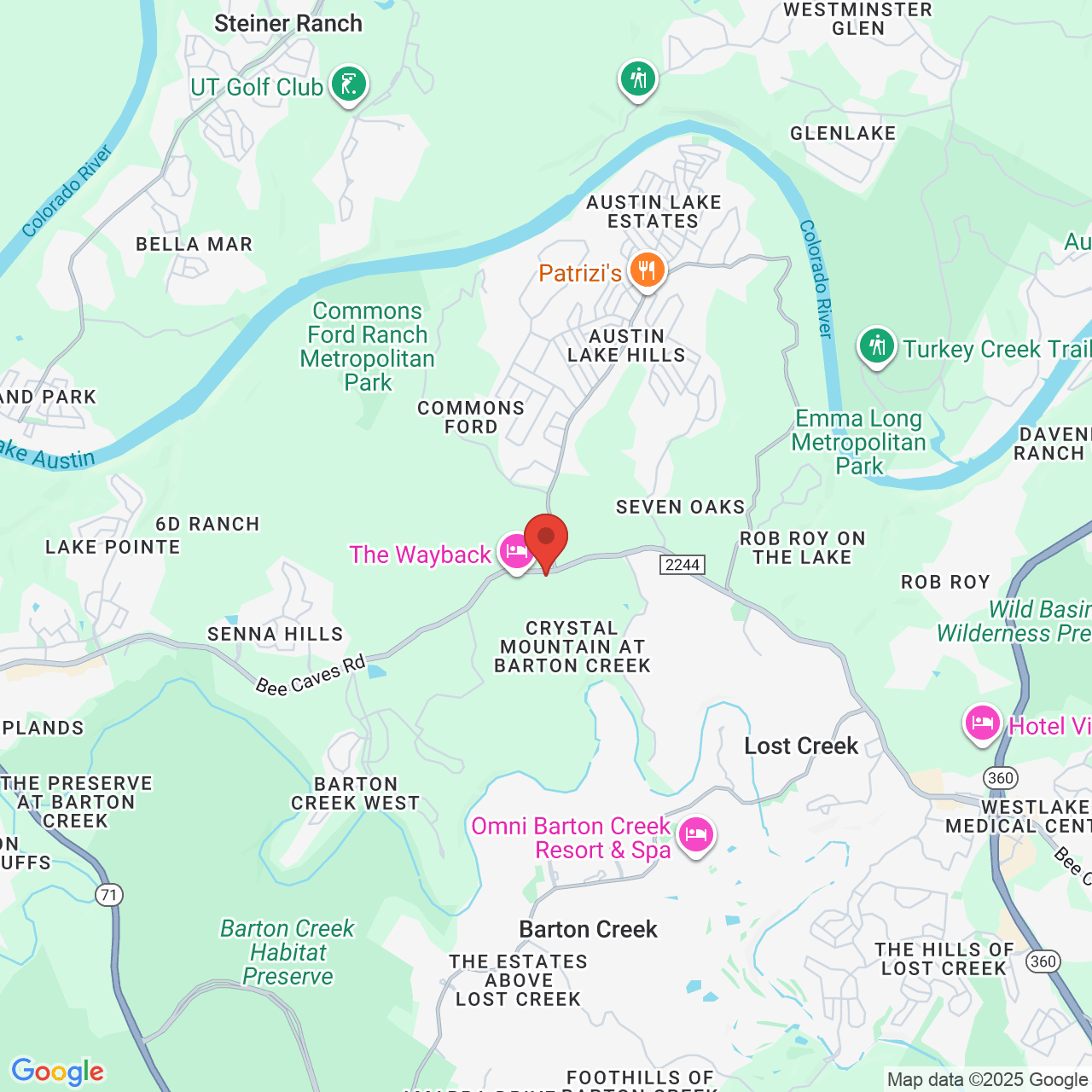
9433 Bee Caves Rd
Ste 1-200
Austin,
TX 78733
9433 Bee Caves Rd
Ste 1-200
Austin,
TX 78733